

Understanding Severe ME
“Severe and very severe ME/CFS represents one of the most profound states of disability found in medicine.” – Bateman Horne Center, USA
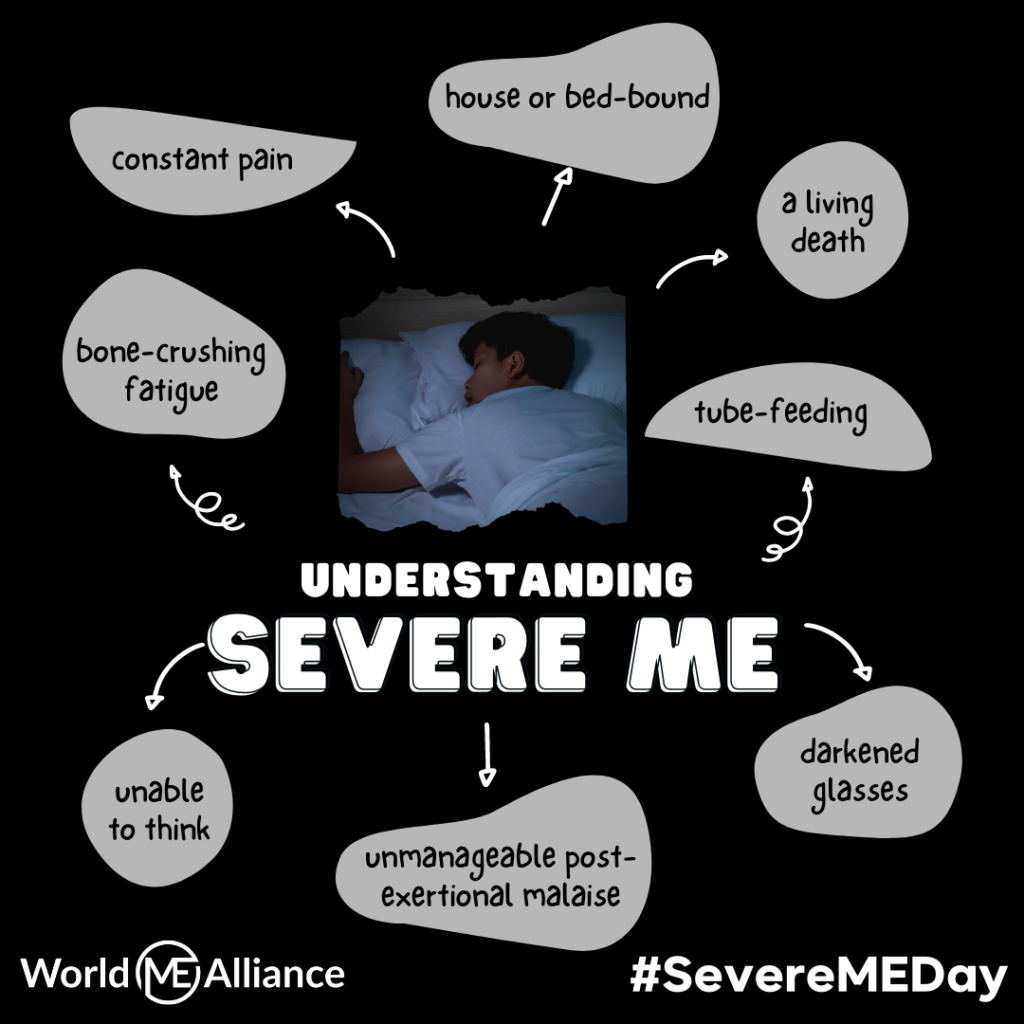
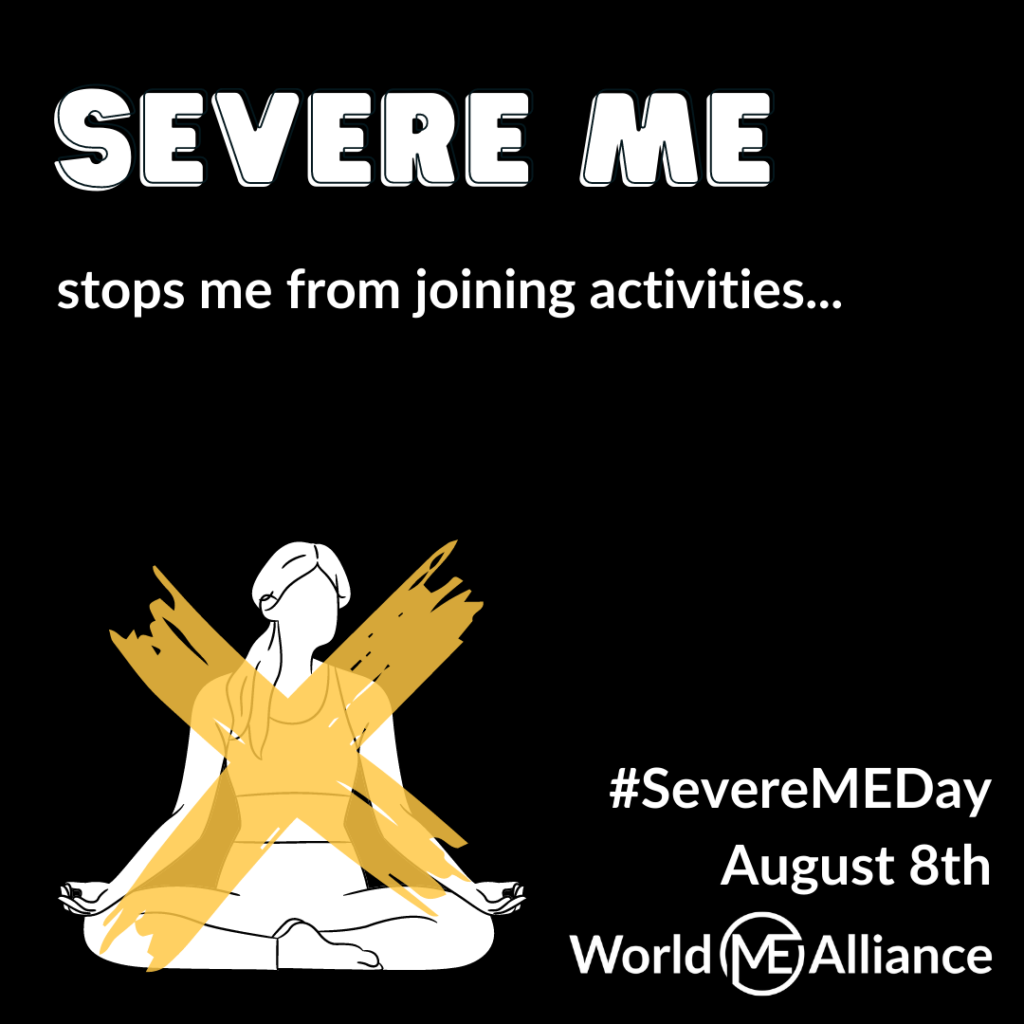
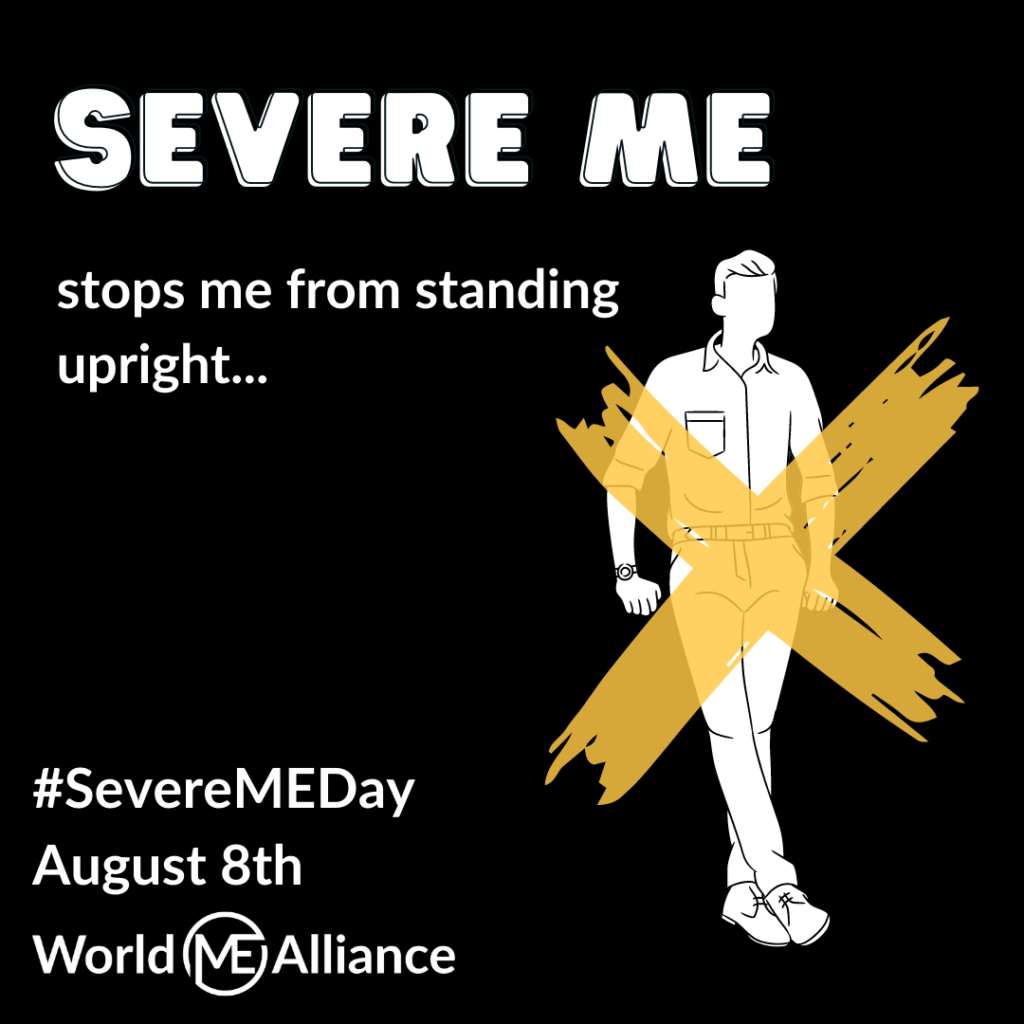
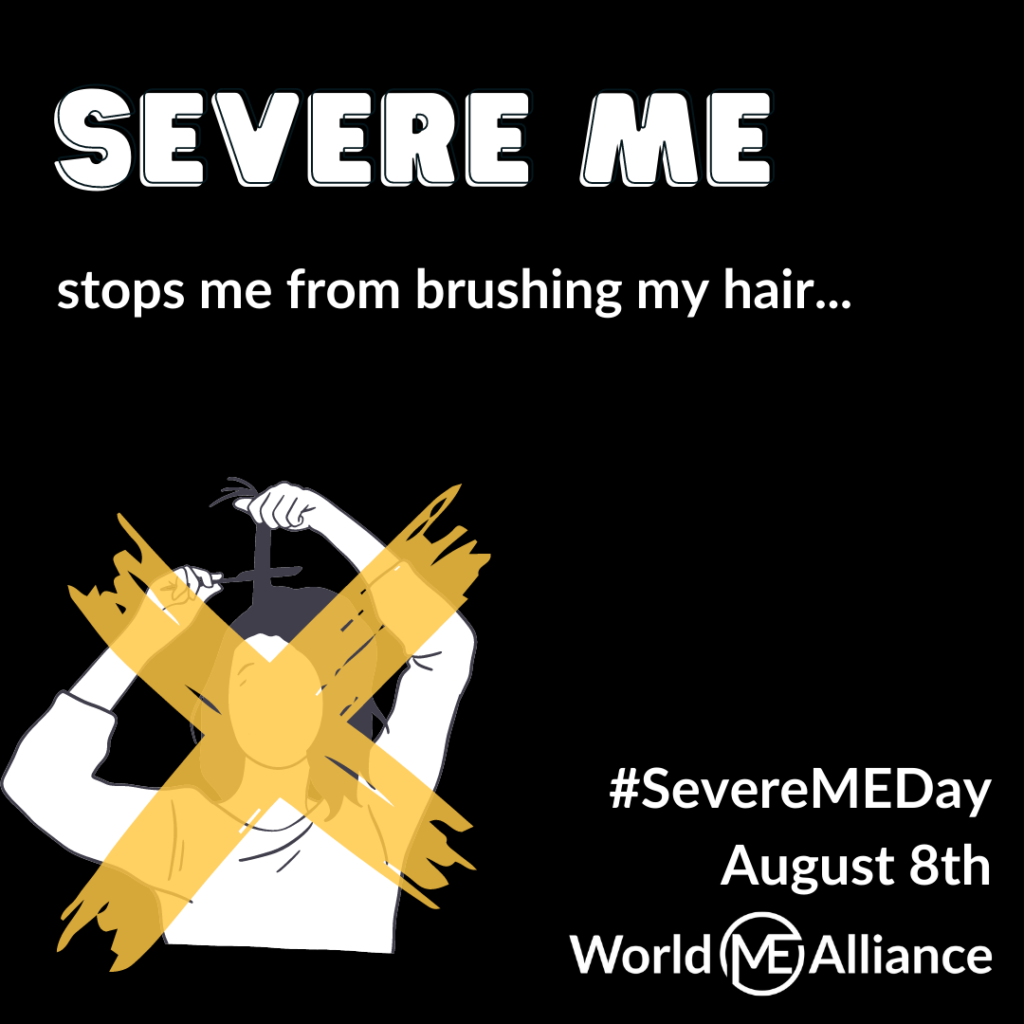
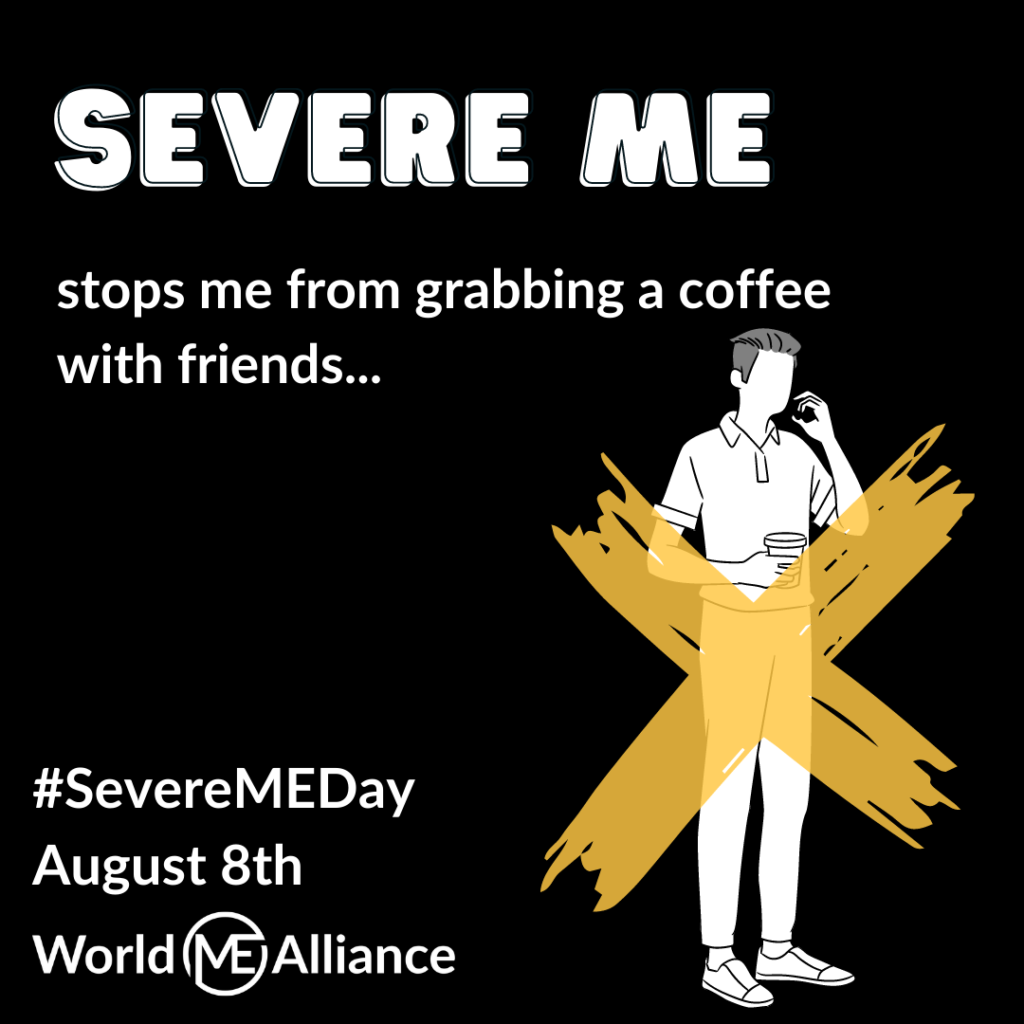
Myalgic Encephalomyelitis/Chronic Fatigue Syndrome (ME/CFS) is a serious, multisystem disease. At its most severe, it causes extreme physical, cognitive and sensory dysfunction—leaving people housebound or bedbound, and often unable to tolerate light, sound, or even touch.
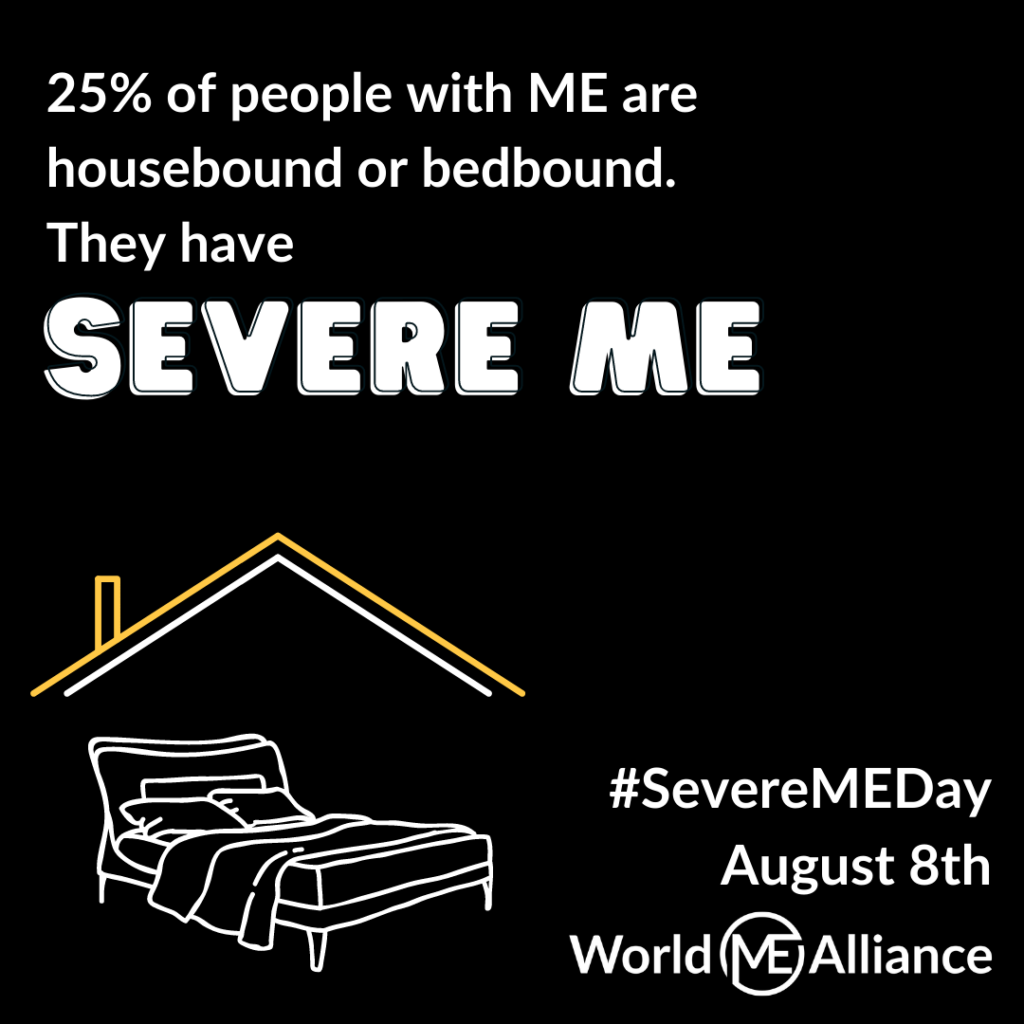
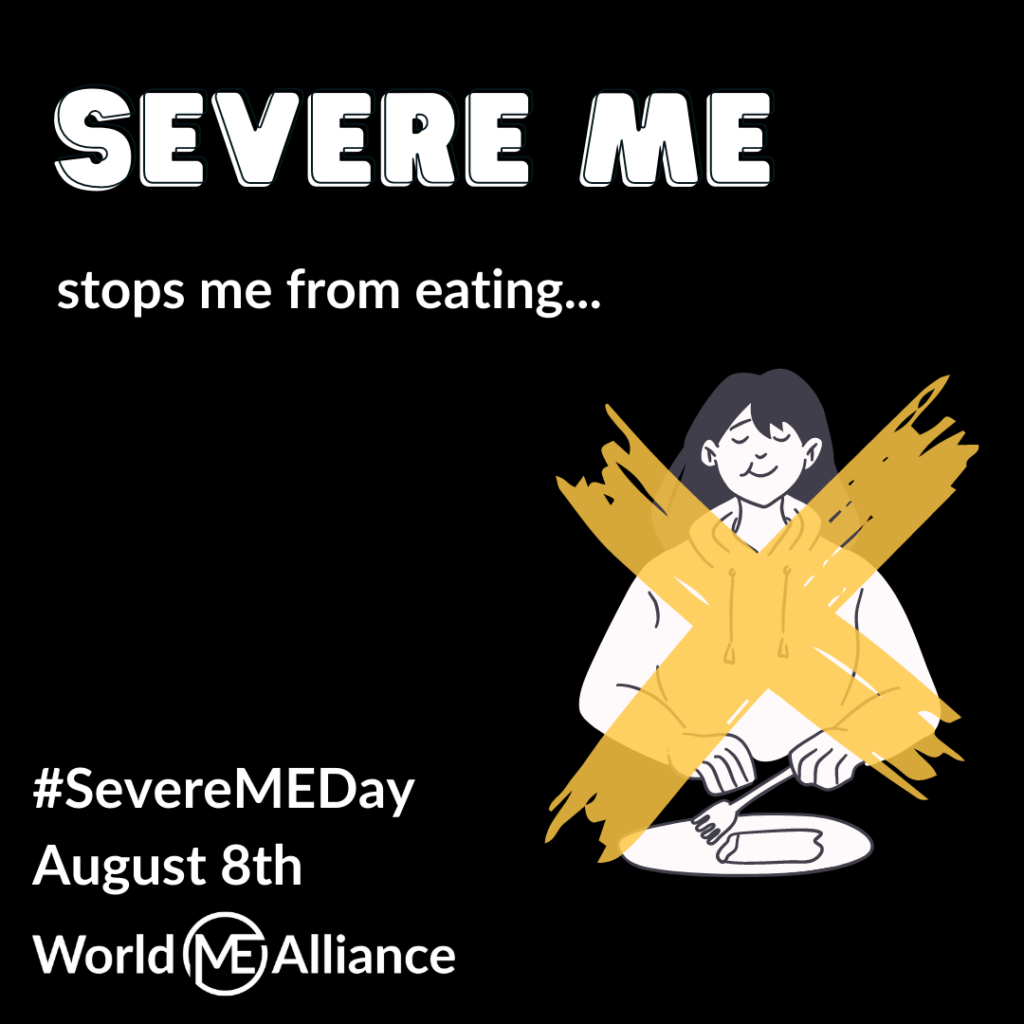
Around 25% of people with ME/CFS experience severe or very severe symptoms. These individuals may:
- Be unable to speak or tolerate conversation
- Need assistance with all aspects of daily care
- Experience intense pain and energy loss, gastrointestinal issues, and orthostatic intolerance
- Be unable to tolerate standard medical environments or interventions
Despite their level of disability, they are frequently overlooked by healthcare systems and society.
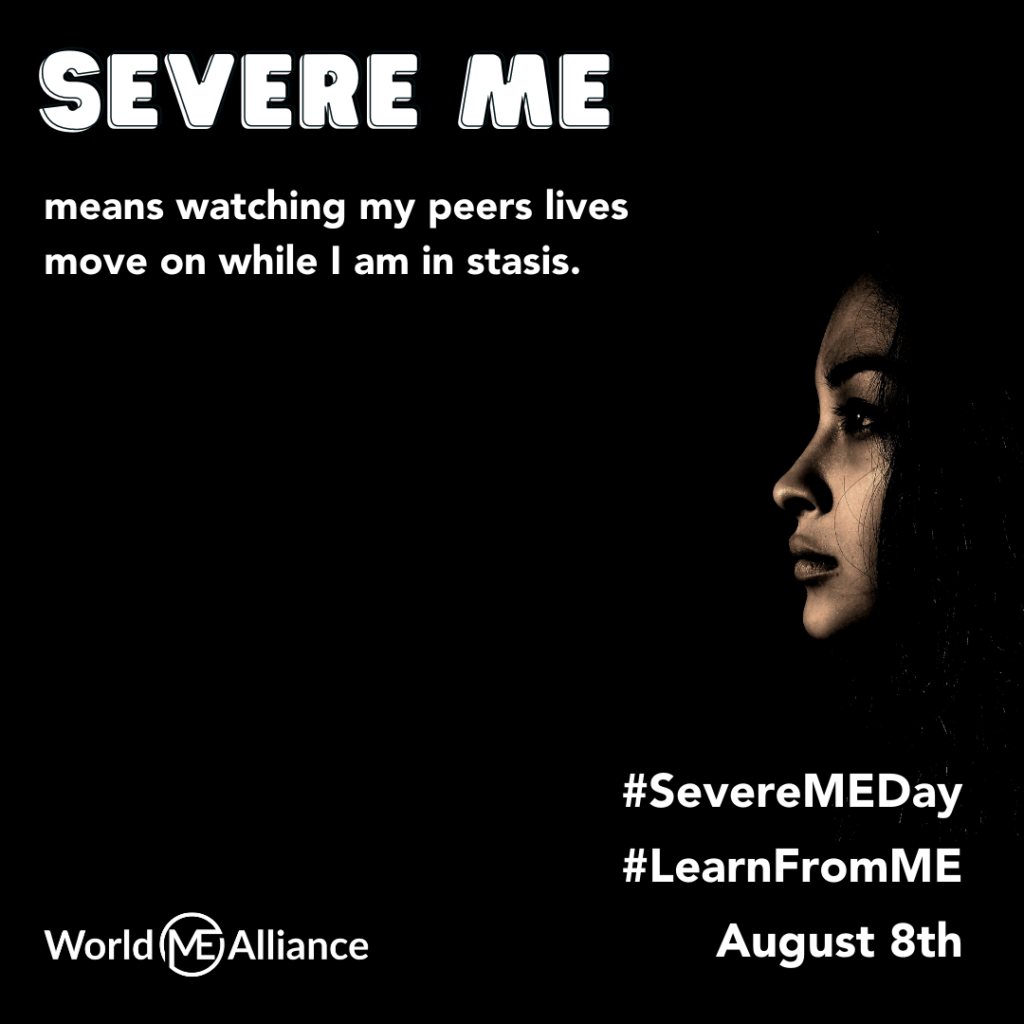
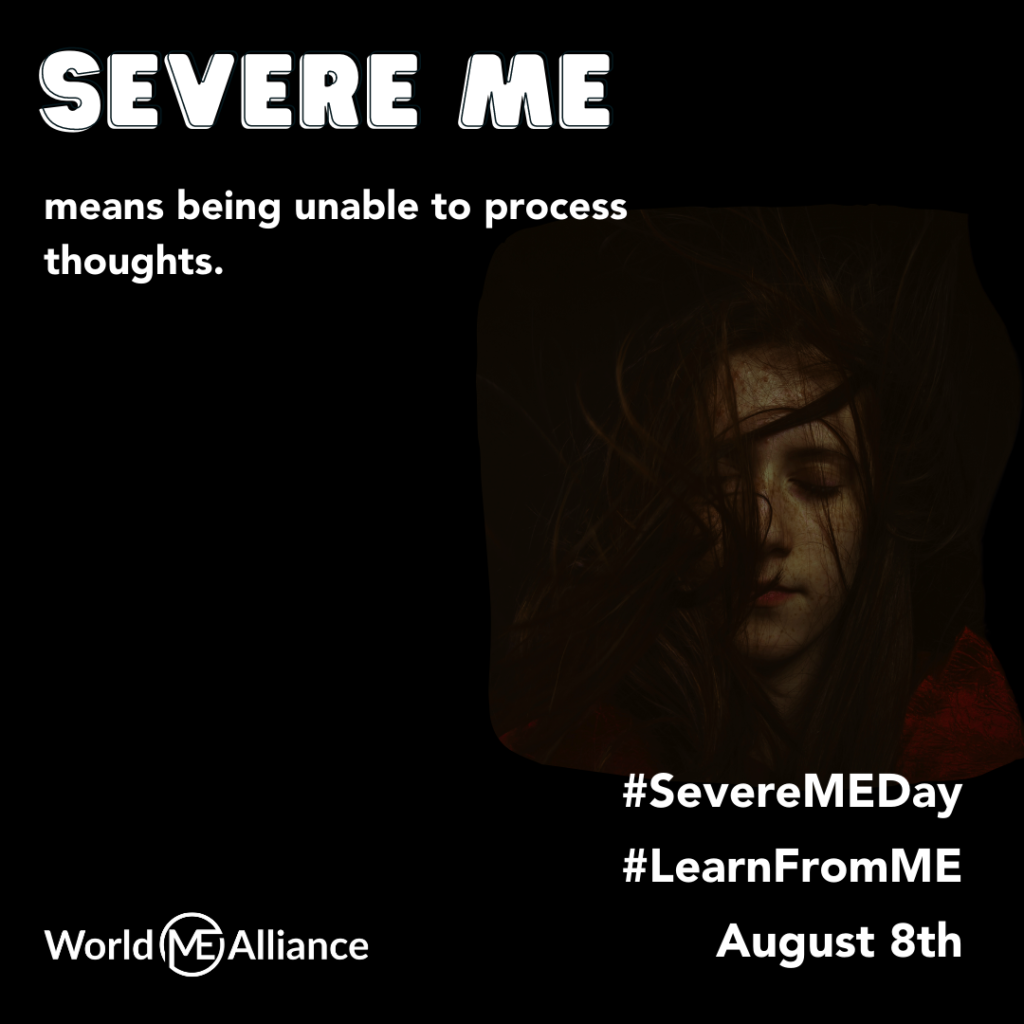
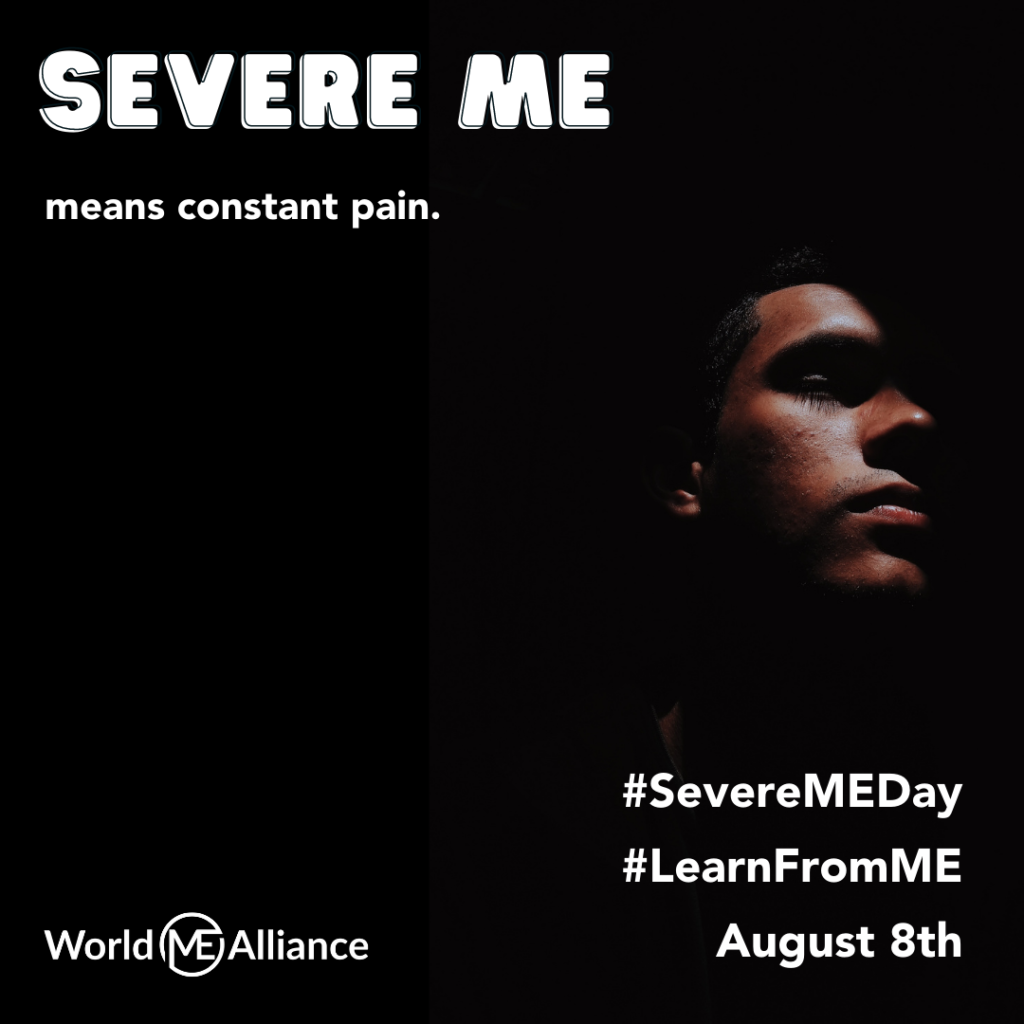
Severe ME Day
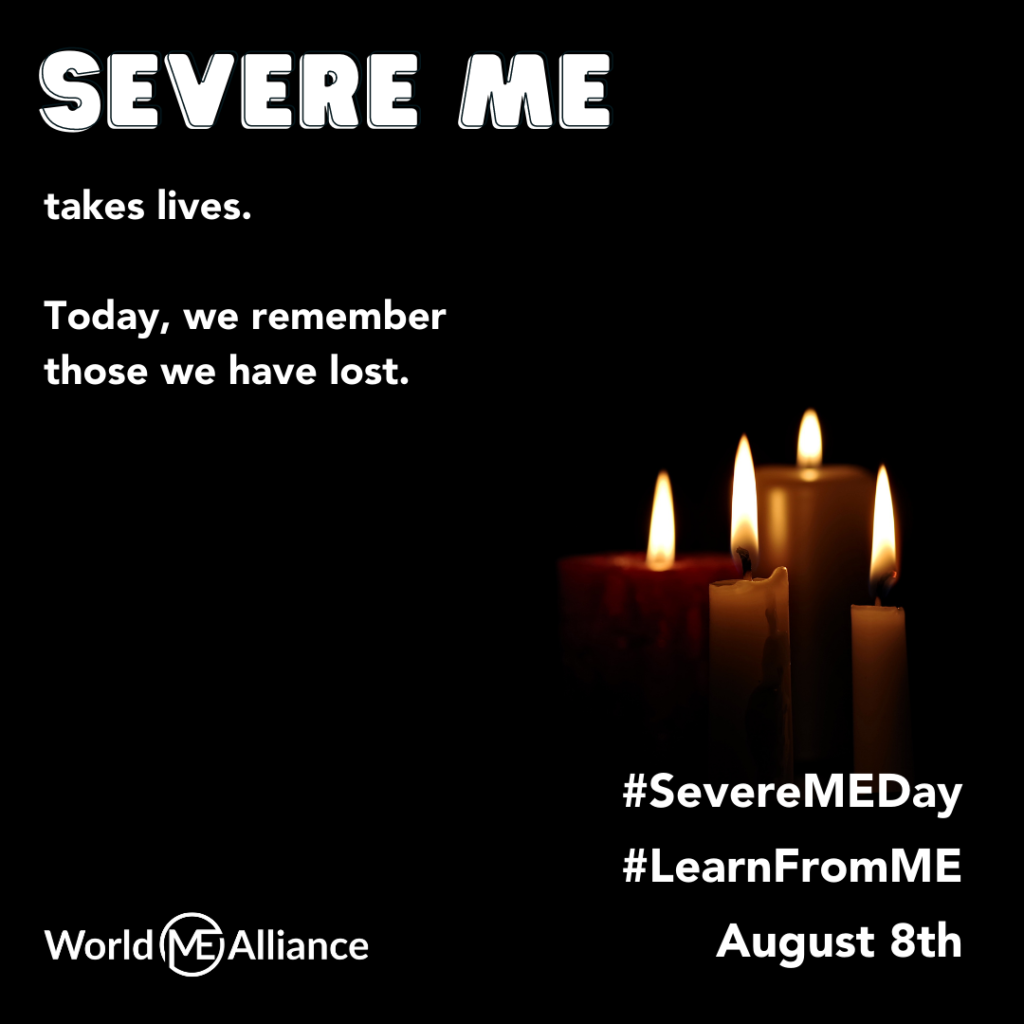
Every year on August 8, we mark Severe ME Day to honour those living in the darkest shadows of illness.
- Share our graphics on social media using the hashtag #SevereMEDay
- Use your platform to amplify the realities of Severe ME
- Light a candle in remembrance of those who have died from or with ME




Resource Guide for Clinicians
This Resource Guide from the World ME Alliance is intended for use in crisis situations — particularly when hospitalisation is being considered — and can be handed to clinicians and healthcare providers by patients or carers. It is designed to support self-advocacy when people with Severe ME may be too unwell to speak for themselves, and to guide healthcare professionals toward safer, more appropriate care.
Through this concise and practical document our goal is to help give voice and agency back to those who are often left unseen and underserved by healthcare systems.
Supporting People with Severe and Very Severe ME/CFS
A Resource Guide for Clinicians

Safer Hospital Care for people with Severe ME
Best practices to stop exacerbating PEM and causing unnecessary harm.
Listen to ME
Listen to people with ME and their carers with lived experience of symptom management. Develop personalised care plans with family members that respect their knowledge of the patient’s unique needs. Do not ignore their requests to protect the patient from PEM. Take advice from ME specialists.
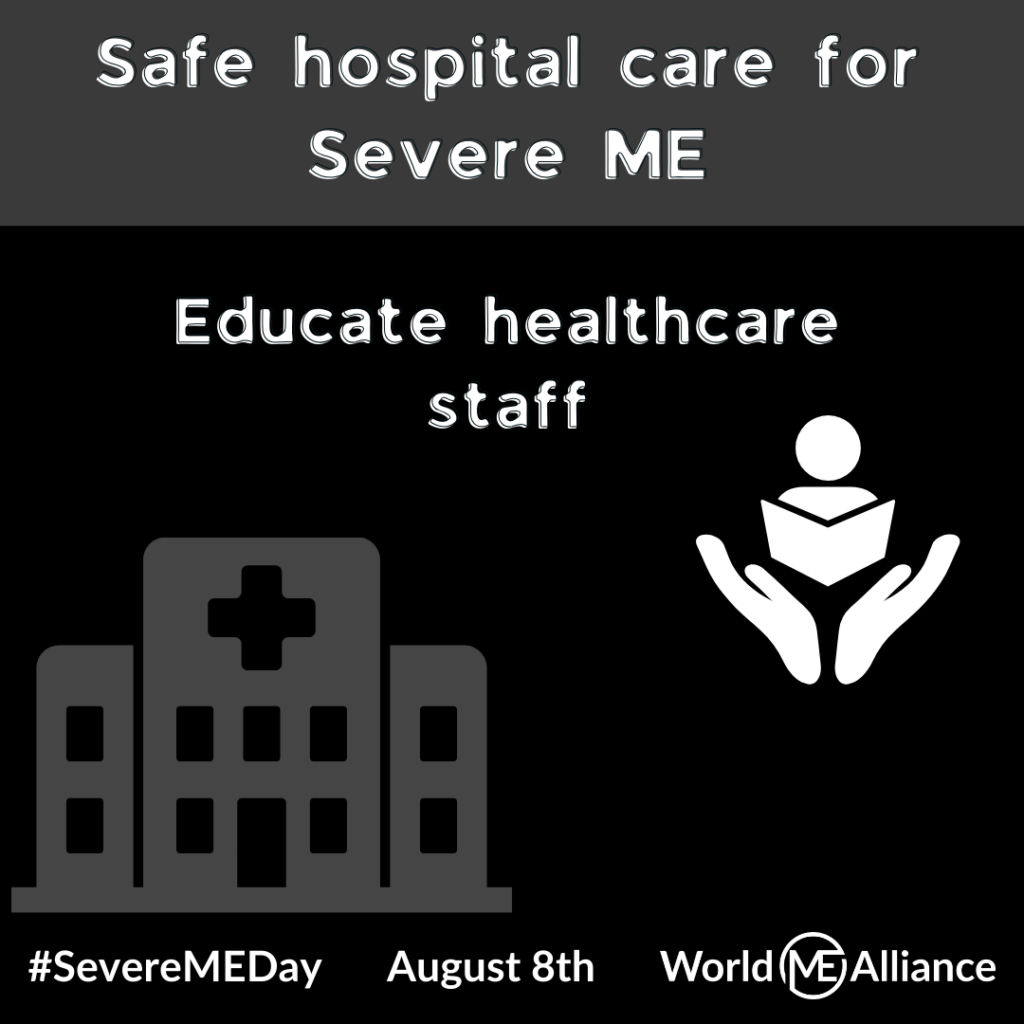
Educate healthcare staff
Provide comprehensive training to healthcare professionals on ME, particularly the severe form of the condition, and common comorbidities. Discredited treatments CBT and GET are inappropriate for Severe patients and may cause deterioration.
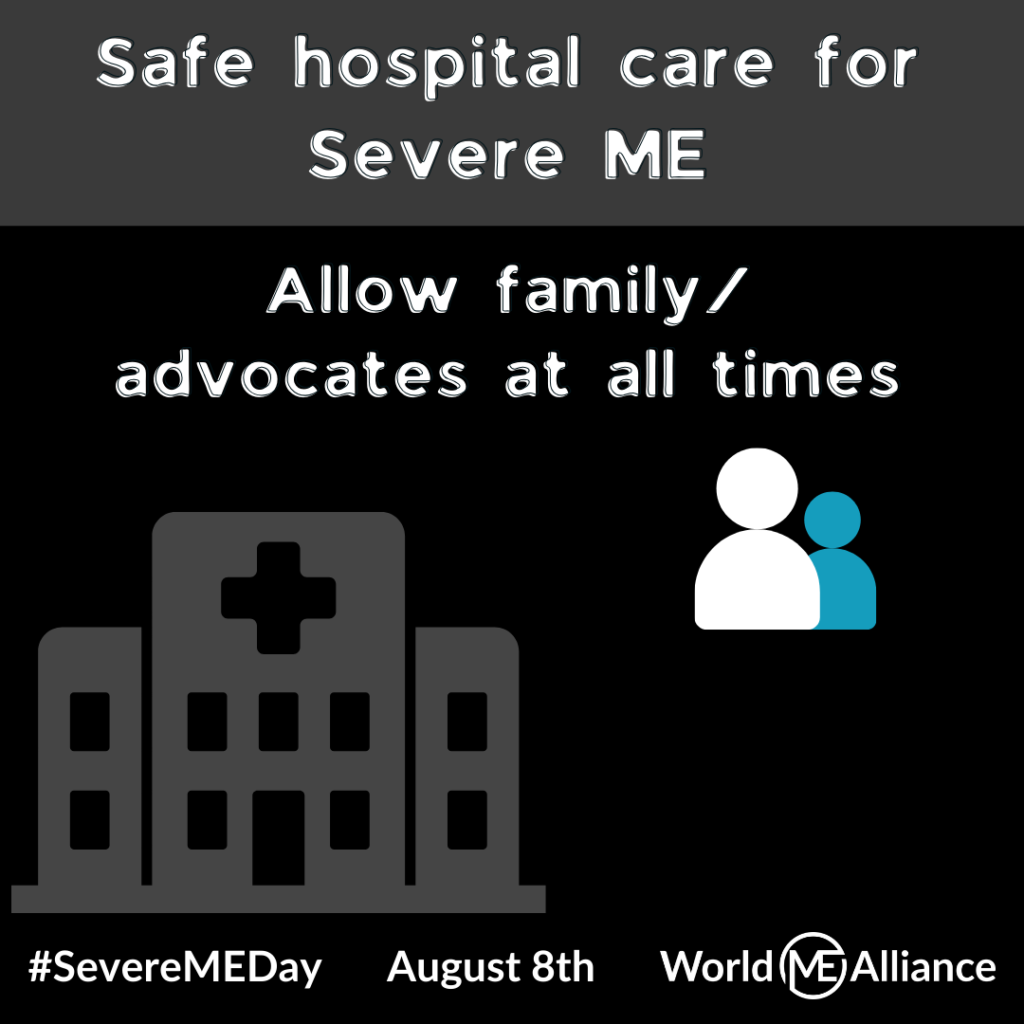
Allow advocates
Allow a family member or carer to stay at all times if requested by the patient. Obtain consent from the outset to have a family member or advocacy worker to speak on their behalf.
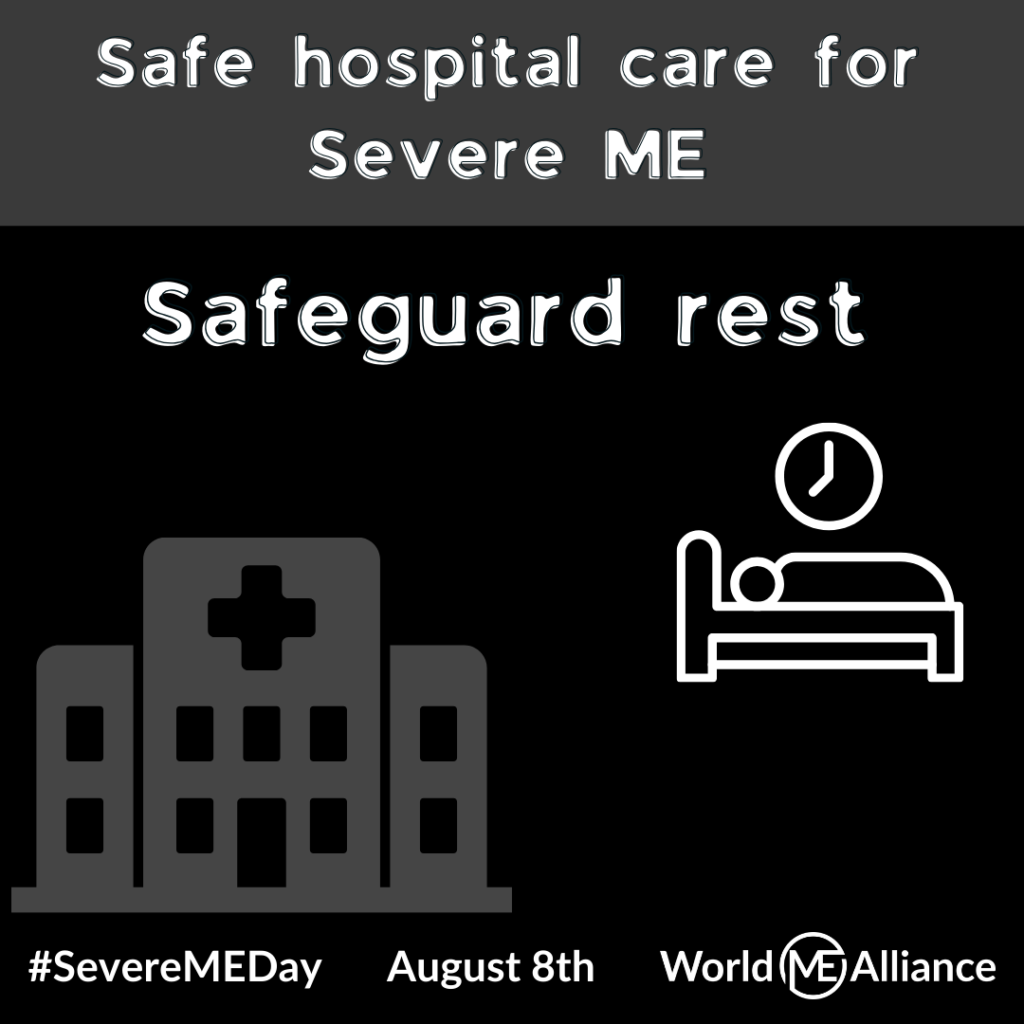
Safeguard rest
Undisturbed sleep is vital to prevent decline. Respect the patient’s need for strict pacing of activities to survive hospital admission and prevent adrenaline surges. Eliminate all non-essential interaction, move slowly and quietly around the patient.
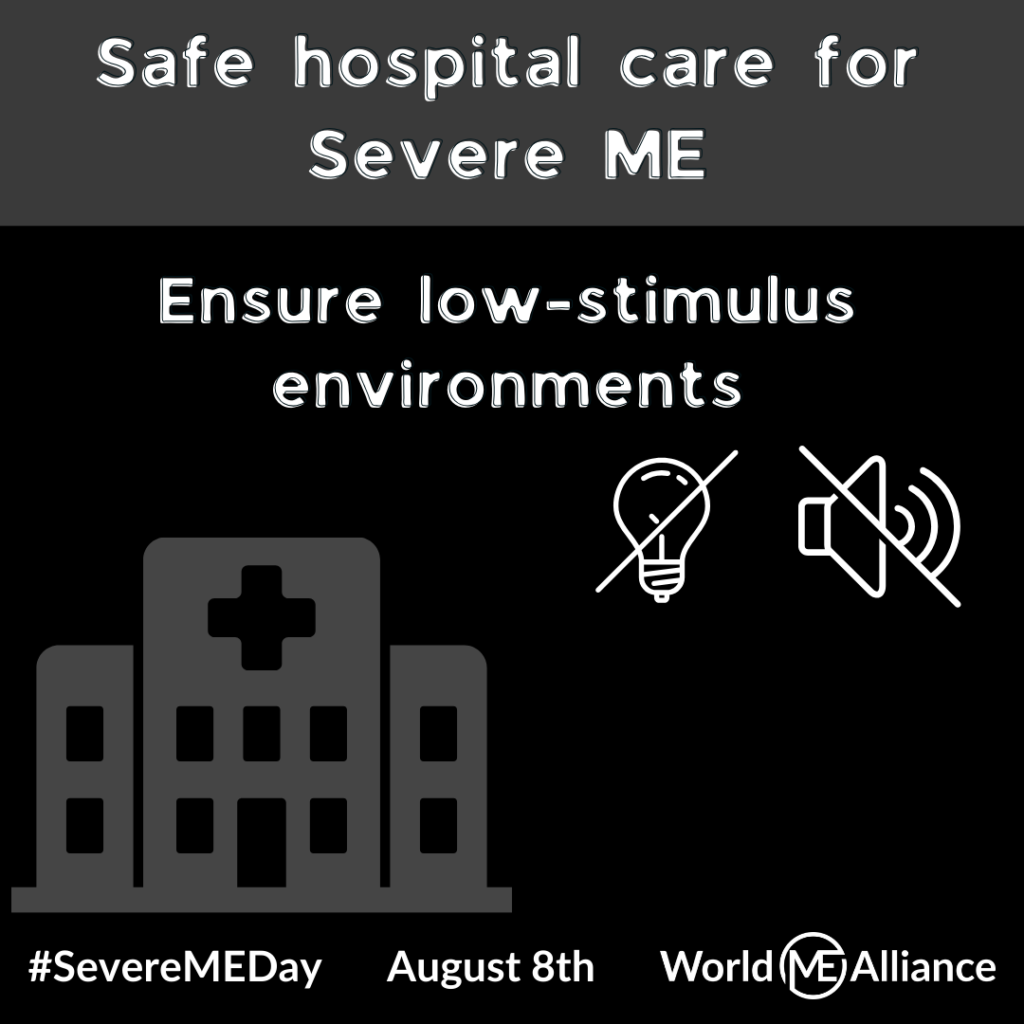
Ensure a low-stimulus environment
Allocate private rooms that are soundproofed and dimly lit. Minimise chemical or fragrance smells, sensory overload and physical contact. Work with carers to establish sustainable temperature levels and access times.
Support nutritional care
Recognise that people with Severe ME have acute food intolerances and may not have enough energy to swallow or digest. Allow special diet foods, flexible meal times and adjusted feeding positions. Initiate IV hydration, oral nutrition support, enteral tube feeding or parenteral nutrition where appropriate.
Enable medication management
Most people with ME have extreme sensitivities and potential adverse reactions to drugs. Start medications one at a time and taper up slowly from a fraction of normal dose to avoid harm.
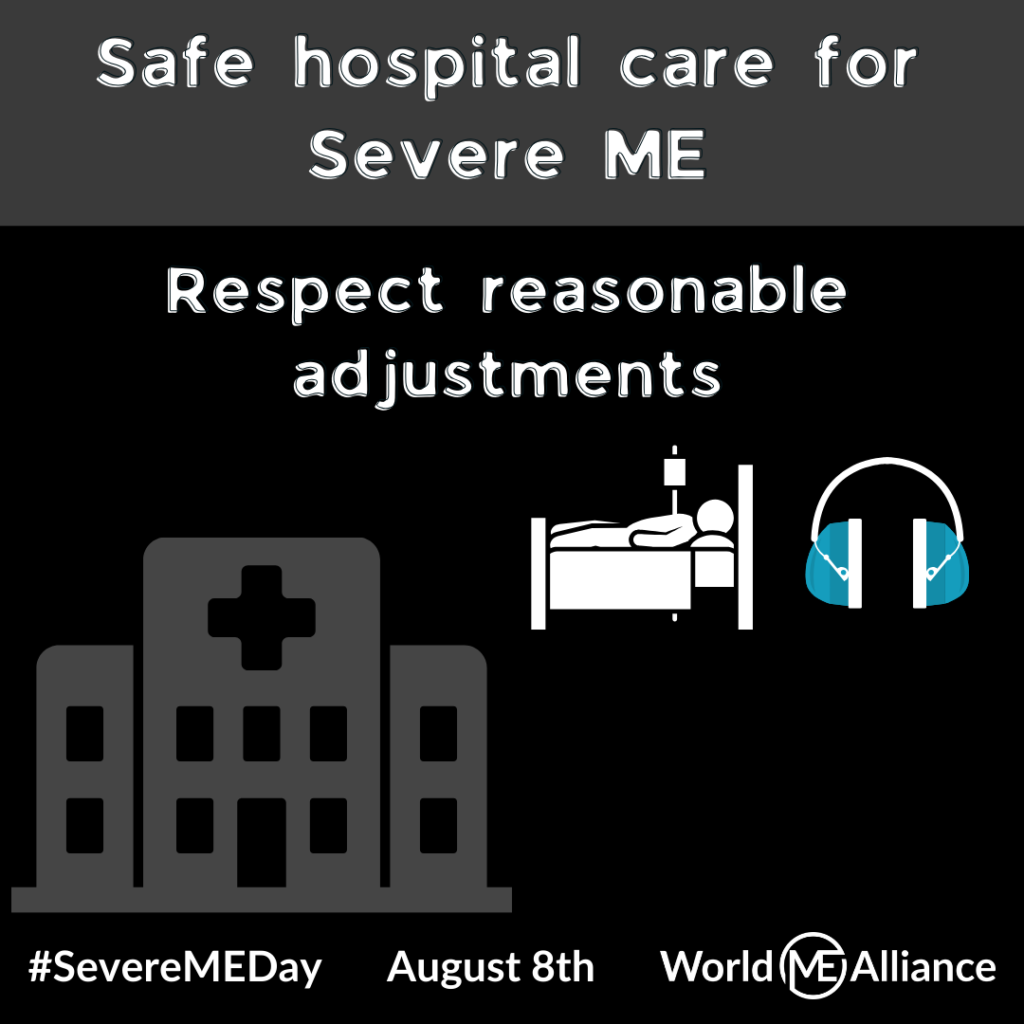
Respect reasonable adjustments
People with Severe ME need dark glasses, headphones or earplugs and eye-masks. They usually have orthostatic intolerance and need to lie flat at all times. Many are hypermobile and hypersensitive to touch and simple movement may cause pain for weeks afterwards. Be guided by caregivers.
Prioritise communication
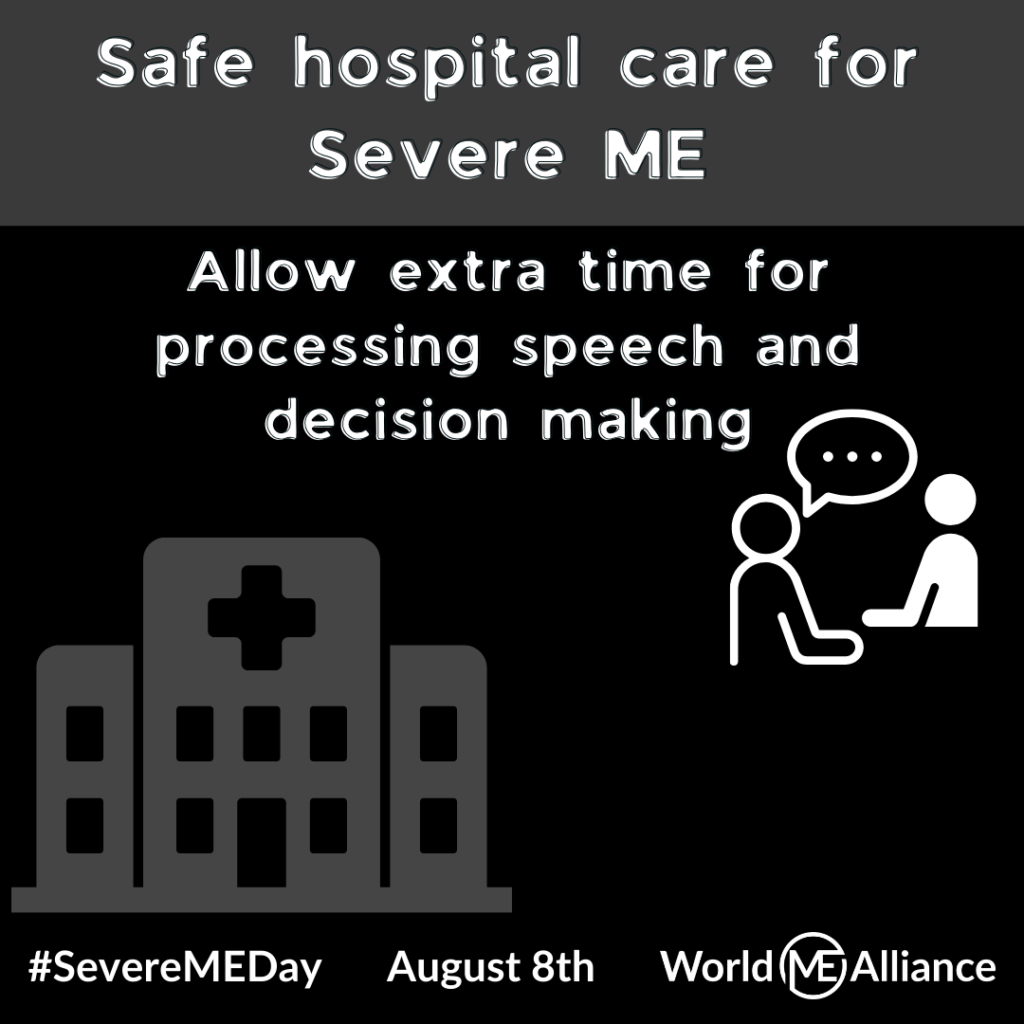
It is vital to provide clear and compassionate communication with cognitively compromised patients and their families and involve them in decision-making processes. If patients can tolerate conversation, speak slowly and quietly; provide additional time for them to process information.
Believe ME
Severe ME has a much lower quality of life than cancer, stroke, MS and chronic renal failure. Patients should be treated with respect, their physiological disease recognised, and their symptoms addressed. Please don’t magnify distress with disdain or medical gaslighting.
By fostering an informed and compassionate healthcare environment, the hospital experiences and overall well-being of people with Severe ME can be substantially improved.